
Big Data is a Big Thing, an idea that often goes hand in hand with words like “Enterprise” and “scientist.” Today I’d like to share a story from my past to illustrate that data, experimentation, and testing, are entirely accessible to business owners of all flavors and sizes, not just massive corporations with a dedicated team of growth hackers, data scientists and an in-house barista.
Two jobs before Automattic, I worked for a small chain of artisan bakeries in Providence, Rhode Island, called Seven Stars. There are three locations (very small chain), and it is owned by a lovely couple who brought me on to design and execute an improved employee training system. Once that was up and running on its own steam (after about 18 months), I became a bit more of a general utility player for them – finding problems and then solving them. It took great trust on their part, but I like to think I earned that trust, in efficiency gains, improved revenues, and tastier coffee.
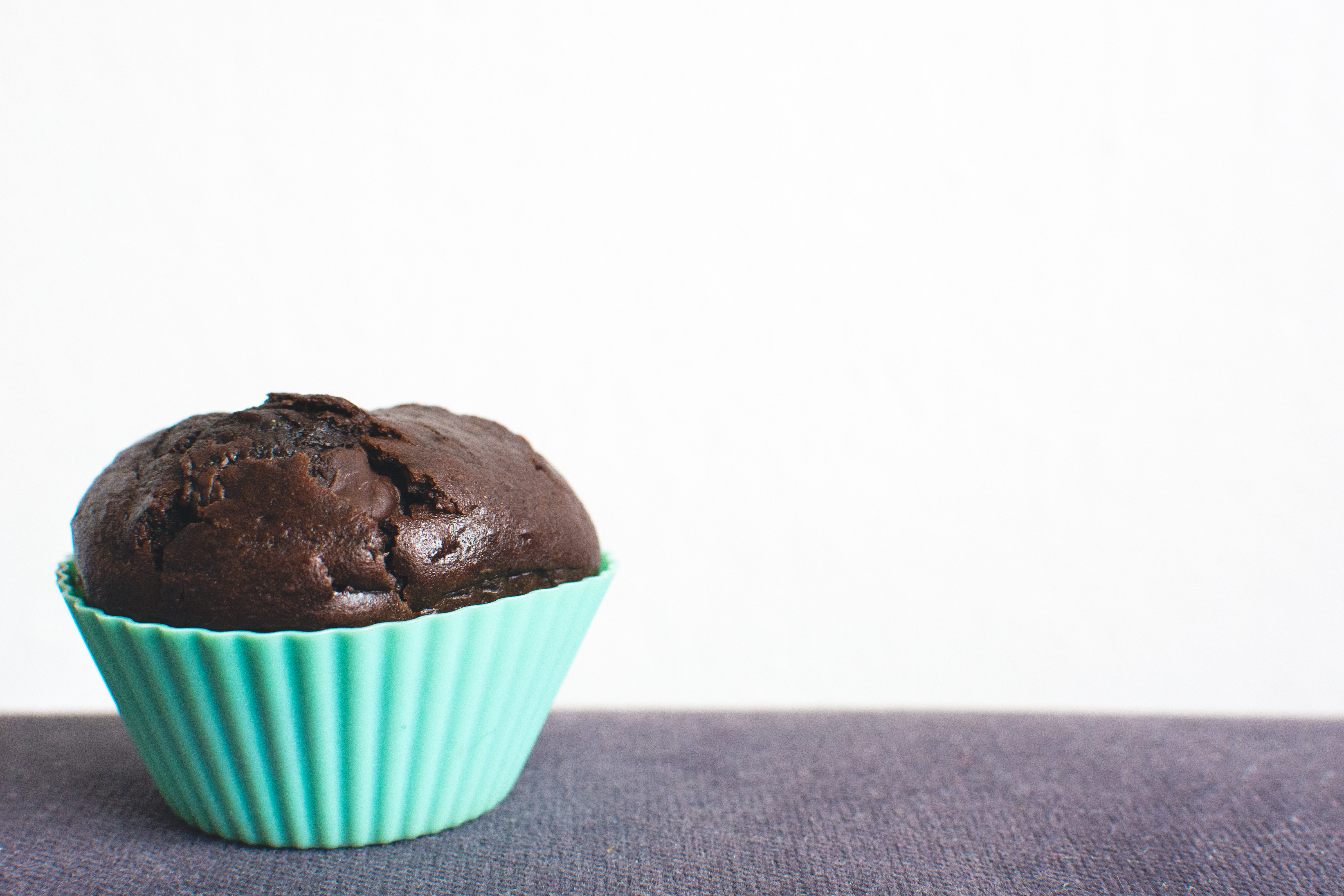
During a conversation with one of the owners, he mentioned that he had a real gripe with muffins – not only were they one of the more involved pastries that we sold, they also had the slimmest margins. A situation fraught with possibility. I asked him a few more questions, and headed back to my shared office to dig through some of our historical point of sale data. I didn’t know it at the time, but what I was about to embark on was the retail bakery version of growth hacking.
At the time, we offered three different muffins every day, with the selection rotating from day to day – Blueberry, Corn and Pumpkin, say, on Monday, then Chocolate, Bran and Blueberry on Tuesday, etc etc.
After establishing a baseline (easily done with today’s computerized point of sale systems), I proposed an experiment: we would produce only 2 kinds of muffins per day, and only produce the ones that had the strongest current sales. We’d do this for six weeks, then take a look at the data, and decide from there – or, as I’d say today, we would then iterate on the process.
And, thankfully, since this is a case study, it worked! After six weeks, the sales at of each store had retained its pre-experiment growth percentage. Now, this may not sound like a success – sales growth had not changed? How can an experiment be a success if sales growth had not improved?
Sales growth may not have changed (up or down), but the numbers behind the sales growth had shifted; muffins fell significantly, but other areas (specifically scones, which interestingly sat next to the muffins in the display) grew to match the decrease in muffin sales.
If I were to guess, I would suggest that this indicated that folks who were at one time buying a muffin (perhaps the third, dropped, variety), were not simply abandoning their purchase, but rather purchasing another item, possibly even at the same price point. However, since muffins were the worst-producing item, revenue-wise, anything else represented a greater revenue for the bakery. Additionally, moving bakery labor from muffins to another product represented a second win, since muffins were the most laborious and frustrating product.
I like to think of this kind of data implementation as Small Data – using the information that you have to run experiments that are within your grasp for small, consistent wins. You don’t need a data scientist on staff, you don’t need a degree in statistics, you just need to know your business and have a curious mind. Data can work for everyone – all you need is a willingness to experiment.
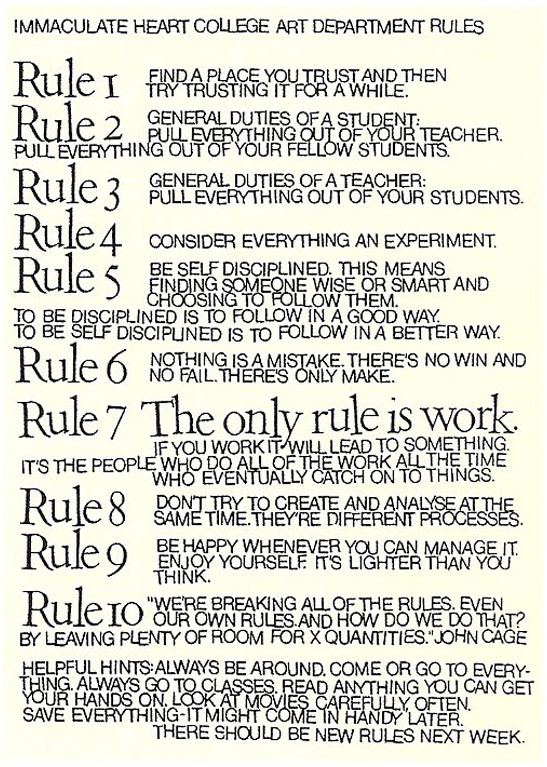
RULE ONE: Find a place you trust, and then try trusting it for awhile.




 Simon Ouderkirk